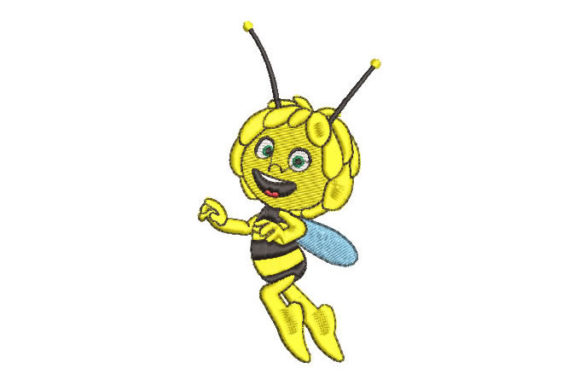
Yellow Bee Embroidery Design
The Yellow Bee embroidery design is a cheerful and versatile addition to any craft fair or handmade market product lineup. With its bright, friendly appearance, it’s perfect for adding a touch of whimsy to a wide range of items. As an experienced embroidery designer, I’ve tested this design on various fabrics and products, and it consistently delivers a positive first impression.
First Impression and Visual Appeal
From the moment you see the Yellow Bee design, it exudes a playful and approachable vibe. It feels modern yet nostalgic, with a soft, friendly shape that appeals to both children and adults. The design has a clean, minimal aesthetic that doesn’t overwhelm, making it ideal for a variety of styles—from farmhouse chic to contemporary casual.
Its bold yellow color makes it stand out in a crowd, which is crucial when setting up a craft fair booth. Customers are naturally drawn to vibrant, eye-catching designs, and the Yellow Bee is no exception. Whether displayed on a tote bag, apron, or pillow cover, it adds a pop of color that can elevate the entire display.
Performance on Different Products
The Yellow Bee works exceptionally well on tote bags, where it serves as a focal point that catches the eye. It also looks great on aprons, especially when paired with neutral fabric colors. For tea towel embroidery, the design adds a charming touch that complements kitchen decor.
On caps and fabric pouches, the Yellow Bee maintains its clarity and charm, even when stitched in smaller sizes. As an embroidered patch, it’s a standout element that can be applied to jackets, backpacks, or even baby clothes. Pillow covers featuring the design offer a cozy, decorative touch that many customers find appealing.
Market bags and handmade gifts benefit from the Yellow Bee’s ability to convey a sense of care and creativity. It’s a great choice for booth samples, as it immediately communicates the quality and thoughtfulness behind each handmade product.
Photography and Online Listings
When it comes to photography for Etsy listings or printable mockups, the Yellow Bee design photographs well. Its simple lines and clear shapes translate well into digital formats, making it easy to showcase in online shops. As an Etsy seller, you’ll appreciate how this design can be used across multiple product types without losing its visual impact.
For small shop products, the Yellow Bee offers consistency in branding. It can be used as a recurring motif across different items, reinforcing your brand identity while offering variety to customers.
Practical Selling and Production Considerations
The Yellow Bee is easy to understand at a glance, which is essential for fast decision-making at a craft fair. It works well as both a small accent and a larger focal design, giving you flexibility in how you incorporate it into your products.
Stitch density is a key factor in how the design performs on different fabrics. On dense or textured materials like towels, the design may require additional stabilizer to ensure clarity. For thick fabrics or curved surfaces like caps, careful placement and proper hoop size are important to maintain the integrity of the stitches.
Thread colors play a significant role in how the design appears. A high-contrast thread, such as black on white or dark fabric, can make the bee stand out more effectively. For dark fabrics, consider using a lighter thread to ensure visibility.
Careful-Use Notes
While the Yellow Bee design is generally straightforward, some areas may have dense stitch coverage that could cause puckering on certain fabrics. Tiny details might not hold up well on very thin or stretchy materials. Small lettering, if included, should be checked for legibility at different sizes.
When working with curved cap surfaces, the design may need slight adjustments to fit properly. Always test the design on scrap fabric before committing to a batch production run. This helps identify any potential issues early on.
Impact on Customer Engagement and Product Value
The Yellow Bee adds visual appeal to any product it’s featured on. Its friendly design encourages customer interaction, making it a conversation starter at your booth. It enhances the perceived value of handmade products by adding a unique, personalized touch.
As a commercial embroidery design, the Yellow Bee supports brand consistency. It can be used across multiple product lines, helping to build recognition and loyalty among your customers. For boutique makers and creative entrepreneurs, this design offers a reliable way to expand your product offerings without sacrificing quality.
Embroidery Designer Tips
Before finalizing your production, always test the Yellow Bee design on different fabrics to see how it performs. Check thread contrast to ensure the design stands out as intended. Review the spacing between elements to avoid overcrowding, especially on smaller items.
Confirm the correct hoop size for your machine to ensure the design fits comfortably. Inspect the stitch density to prevent any issues with fabric distortion. Use the right stabilizer for your chosen material, and create at least one real mockup to see how the design looks in person.
Compare fabric colors to ensure the design remains visible and attractive. Finally, verify the commercial licensing terms before selling finished products, as this is essential for legal compliance and peace of mind.
Conclusion: A Versatile and Valuable Design
The Yellow Bee embroidery design is a valuable asset for any craft fair seller, embroidery business owner, or handmade shop owner. Its versatility, visual appeal, and ease of use make it an excellent choice for a wide range of products. Whether you’re creating tote bag designs, apron embroidery, or embroidered patches, the Yellow Bee is sure to attract attention and generate sales.
With proper testing and consideration, this design can become a staple in your product line, helping you stand out in a competitive market. As an embroidery designer, I highly recommend the Yellow Bee for its charm, practicality, and strong visual impact on both physical and digital platforms.