Santa Claus Dancing
As an embroidery designer and product reviewer, I often find myself evaluating machine embroidery designs for real-world use. Santa Claus Dancing caught my attention not just for its festive charm, but for how it translates into practical projects. Whether you're a small business owner, a craft seller, or a hobbyist, this design has potential—but it also comes with considerations that every embroiderer should be aware of.
First Impressions: A Cheerful and Playful Design
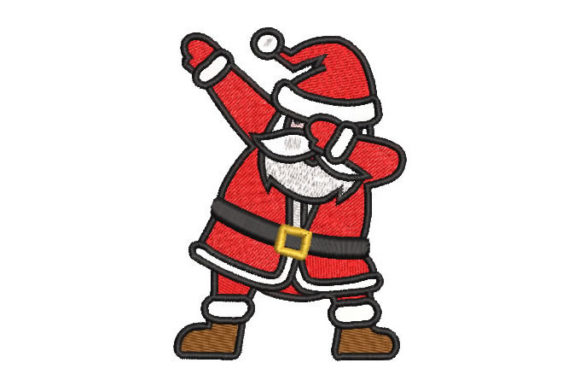
The first thing that stands out about Santa Claus Dancing is its whimsical energy. The character is stylized, with a bold, rounded silhouette that feels both friendly and dynamic. The pose suggests movement, which is perfect for adding a sense of motion to any project. The design’s layout is balanced, with enough detail to be visually engaging without being overly complex.
This is an ideal design for projects that need a touch of holiday cheer. It works well on items like Christmas jumpers, tote bags, and home decor, but its playful nature also makes it suitable for baby clothes, aprons, and even personalized gifts. The overall aesthetic is modern yet nostalgic, making it versatile for different styles of handmade products.
Real-World Use: Where Santa Claus Dancing Shines
When I tested Santa Claus Dancing on a custom tote bag, the result was immediately appealing. The design sat well on the fabric, and the stitch density provided good coverage without overwhelming the material. It worked particularly well on light-colored cotton, where the thread colors popped against the background.
For small business owners, this design could be a solid addition to an Etsy shop or craft fair booth. It’s perfect for holiday-themed merchandise, such as sweatshirt embroidery or embroidered patches. The size of the design allows it to be used on a variety of items, from caps to pillow covers, making it a valuable asset for a craft business.
It also holds up well in printable mockups. When I created a digital preview for a client, the design looked clean and professional. This makes it a useful design asset for marketing materials or digital product sellers who offer embroidery files for download.
Where to Be Cautious: Practical Considerations
While Santa Claus Dancing is a great design, there are a few areas where it may require extra attention. For instance, on small hoop sizes, the design might feel cramped, especially if you’re trying to stitch it on a curved surface like a cap. The corners of the design are detailed, so they may not hold up as well on textured or stretchy fabrics.
On dark fabrics, the contrast between the thread colors and the background is crucial. If the thread doesn’t stand out enough, the design may look washed out. It’s always a good idea to test it on scrap fabric before committing to a finished product. Similarly, on thin or stretchy materials, using the right stabilizer is essential to prevent puckering or distortion.
Another consideration is the stitch density. While the design is well-balanced, some areas may require additional support, especially if you’re working on layered garments or items that will be washed frequently. Always check the file specifications to ensure it meets your project’s needs.
Impact on Visual Appeal and Customer Perception
Santa Claus Dancing adds a strong visual element to any project. Its cheerful appearance can elevate the perceived value of a handmade product, making it more attractive to buyers. For Etsy sellers, this design can help differentiate your offerings from generic holiday items.
From a branding perspective, it’s a great choice for boutique products or small shop merchandise. The design’s personality aligns well with holiday themes, and its versatility allows it to be used across multiple product types. It also enhances giftability—people love receiving something that feels personal and festive.
However, it’s important to maintain consistency in how you present the design. Whether it’s on a custom apparel piece or a printable mockup, the quality of the embroidery must match the expectations of your audience. Poor execution can hurt customer trust, even if the design itself is appealing.
Design Notes for Embroidery Professionals
As a designer, I always recommend testing any new machine embroidery design on scrap fabric before using it on a final project. Santa Claus Dancing is no exception. Check the thread color contrast, review the stitch density, and confirm the hoop size required for your machine. These steps can save time and prevent issues down the line.
Also, consider how the design will look in black and white mockups. This helps assess its clarity and whether it will work on different fabric backgrounds. For commercial projects, make sure the licensing terms allow for resale or redistribution, depending on your business model.
If you’re planning to use this design for a baby item or a personalized gift, pay close attention to the details. Tiny lettering or intricate elements may need extra care to ensure they come out cleanly. And don’t forget the stabilizer—it’s a key factor in achieving a professional finish, especially on delicate or stretchy fabrics.
Final Thoughts: A Festive Design with Practical Value
Santa Claus Dancing is a design that brings joy and personality to any embroidery project. It’s well-suited for a wide range of applications, from custom apparel to holiday gifts. However, like any machine embroidery design, it requires thoughtful application to achieve the best results.
Whether you’re an experienced embroiderer or just starting out, this design offers a fun and functional way to add holiday flair to your work. Just remember to test it, adjust for fabric type, and keep the end goal in mind—whether that’s a handmade product, a commercial item, or a personalized gift.
With the right approach, Santa Claus Dancing can become a staple in your design collection, helping you create beautiful, memorable pieces that customers will love.